

Show & Tell: What It Actually Takes to Win at a Franchise Trade Show
Why the Booths That Work Look Nothing Like the Ones That Don’t.
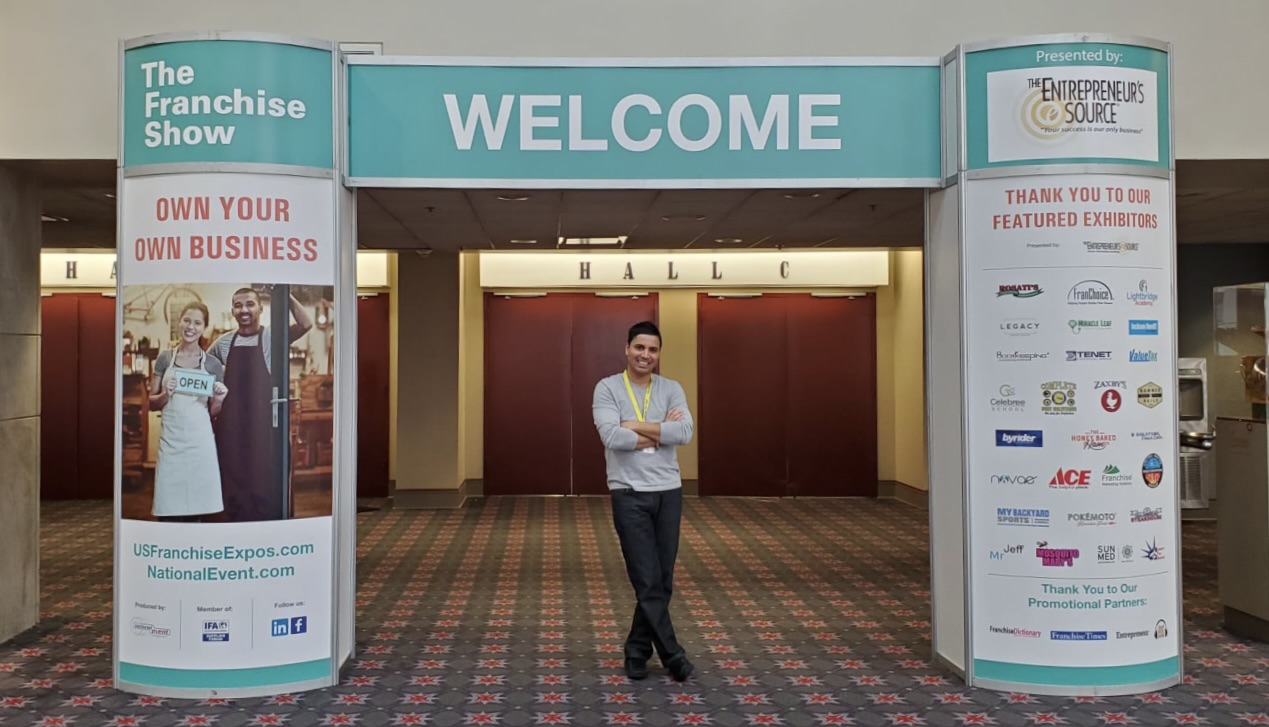
This is a guest blog post by Michael Hyam, CFE, National Show Director for the National Franchise Show and co-founder of Franchise Assembly.
I spend a lot of my year walking show floors, and I can usually tell within the first ten minutes of a show which exhibitors are going to leave with a pipeline and which ones are going to leave with a stack of business cards they’ll never look at again. It’s rarely about budget. It’s almost always about approach.
Here’s what a real show day looks like, why “trade shows don’t work” is only half true, and what I’d tell any brand exhibiting for the first time.
WHAT SHOW DAY ACTUALLY LOOKS LIKE FOR A FIRST-TIME EXHIBITOR
Most first-timers picture the show starting when the doors open. It doesn’t. It starts the night before, when you’re setting up your booth and walking the floor to see who’s around you and where the traffic is going to move. The exhibitors who do well use that evening to get their team aligned: who’s greeting, who’s qualifying, who’s stepping away for scheduled meetings, and who’s covering the booth during lunch.
Once doors open, the day comes in waves. Early traffic tends to be more serious; these are candidates who showed up right when the show opened because they planned their day around it. Midday gets busier and more casual. Late afternoon is smaller but often higher intent, since the people still walking the floor at 3:00 pm have narrowed down who they actually want to talk to.
Good exhibitors treat every wave differently. They’re not reciting the same 90-second pitch to a browser that they’d give a pre-qualified lead who booked a booth visit in advance. They read the person in front of them and adjust.
WHERE “TRADE SHOWS DON’T WORK” COMES FROM
I hear this a lot, and it’s fair more often than exhibitors want to admit. But when I dig into why a brand says shows don’t work, it’s almost never the show. It’s the approach.
Most of the time, “trade shows don’t work” really means “we treated a trade show like a billboard.” The team stood behind the table, waited for people to come to them, handed out a brochure, and called it a lead. Then nothing happened with that lead for three weeks, and the brand concluded the channel was broken.
A trade show is not a passive channel. It’s the highest-bandwidth touchpoint you’ll get with a prospective franchisee all year; you have their full attention, in person, for as long as you can hold a real conversation. Brands that don’t get ROI usually aren’t failing at the show. They’re failing at what they do with the show.
WHAT SEPARATES REAL ROI FROM A BANNER AND A BOWL OF CANDY
The banner-and-candy-bowl booth is a good visual because it tells you everything about the strategy behind it: none. It’s built to be looked at, not talked to.
The brands that get real ROI share a few habits. They put someone at the booth who can speak credibly about the business model and the franchisee experience, not just whoever was available that week. They ask questions before they pitch, so they’re qualifying instead of just talking. They have a specific number in mind before the show starts, whether that’s qualified conversations, scheduled follow-up calls, or discovery day invitations, so they know whether the show worked before they even leave the floor.
And they treat the booth as the first real impression of what it’s like to be inside their system. If your booth is disorganized, understaffed, or your team looks like they’d rather be anywhere else, that tells a prospective franchisee something about your operation, whether you mean it to or not.
HOW FAR OUT TO START PREPPING, AND WHAT THE PREP ACTUALLY INVOLVES
Ninety days out is the honest answer, not thirty. That gives you time to do the work that actually moves the needle instead of just ordering a banner.
Real prep involves getting clear on who you’re trying to attract (industry background, investment range, geography) so your team isn’t spending the day talking to everyone who walks by instead of the right people. It means training your booth staff on how to have a conversation, not just how to hand out a flyer, and making sure they know your unit economics and support model well enough to answer real questions on the spot. It means building a pre-show outreach plan so you’re not meeting every candidate cold; brands that book even a handful of appointments in advance walk in with momentum instead of hoping the right person wanders by. And it means deciding, before the show, exactly what happens to a lead the moment you collect it.
WHAT GOOD FOLLOW-UP LOOKS LIKE, AND HOW FAST A LEAD GOES COLD
This is where most of the ROI in franchise trade shows is actually won or lost, and it happens nowhere near the show floor.
A lead you collect on Saturday should hear from you before Monday morning. Not a mass email; a real, specific message that references the actual conversation you had. If someone told you they’re looking to leave corporate and invest with a family member, your follow-up should reference that, not restate your elevator pitch.
Leads go cold fast. Most candidates are talking to more than one brand at a show, sometimes several, and the ones who respond quickly and personally are the ones who stay top of mind. Wait a week, and you’re not competing on fit anymore; you’re competing on who forgot about them the least. I tell every brand I work with the same thing: whatever your follow-up plan is, cut the timeline in half, and you’ll still probably be too slow.
WHAT’S CHANGED, AND WHERE FRANCHISE TRADE SHOWS ARE HEADING
The biggest shift I’ve seen is that candidates arrive more informed and more skeptical than they used to. They’ve already looked at your website, read reviews, and probably watched a video or two before they ever get to your booth. That means the in-person conversation isn’t where the education happens anymore; it’s where the real questions get asked. Brands that still show up expecting to explain the basics are behind before the conversation starts.
I’m also seeing more brands treat the show as one part of a longer campaign instead of a standalone event: promoting their booth ahead of time, booking meetings in advance, and building content around the show itself rather than just showing up and hoping for walk-up traffic.
Where this is heading is more targeted, more prepared exhibitors, and less patience for the brands that show up without a plan. The floor is still full of opportunity. It’s just less forgiving of the old approach than it used to be.
Franchise trade shows aren’t going anywhere, and they still produce some of the best candidates in the industry. But they reward the brands that treat them like the highest-leverage day on their calendar, not the ones that treat them like a formality.
Michael Hyam, CFE, is the National Show Director for the National Franchise Show and co-founder of Franchise Assembly, an events and education company for franchise brands and people. He also co-hosts the Franchise Assembly podcast and has spent his career helping franchise brands turn show floors into real pipeline.

KEEP LEARNING FROM FRANCHISE ASSEMBLY

