

Show & Tell: Planning for 2027? Your Franchise Recruitment Year Has Already Started
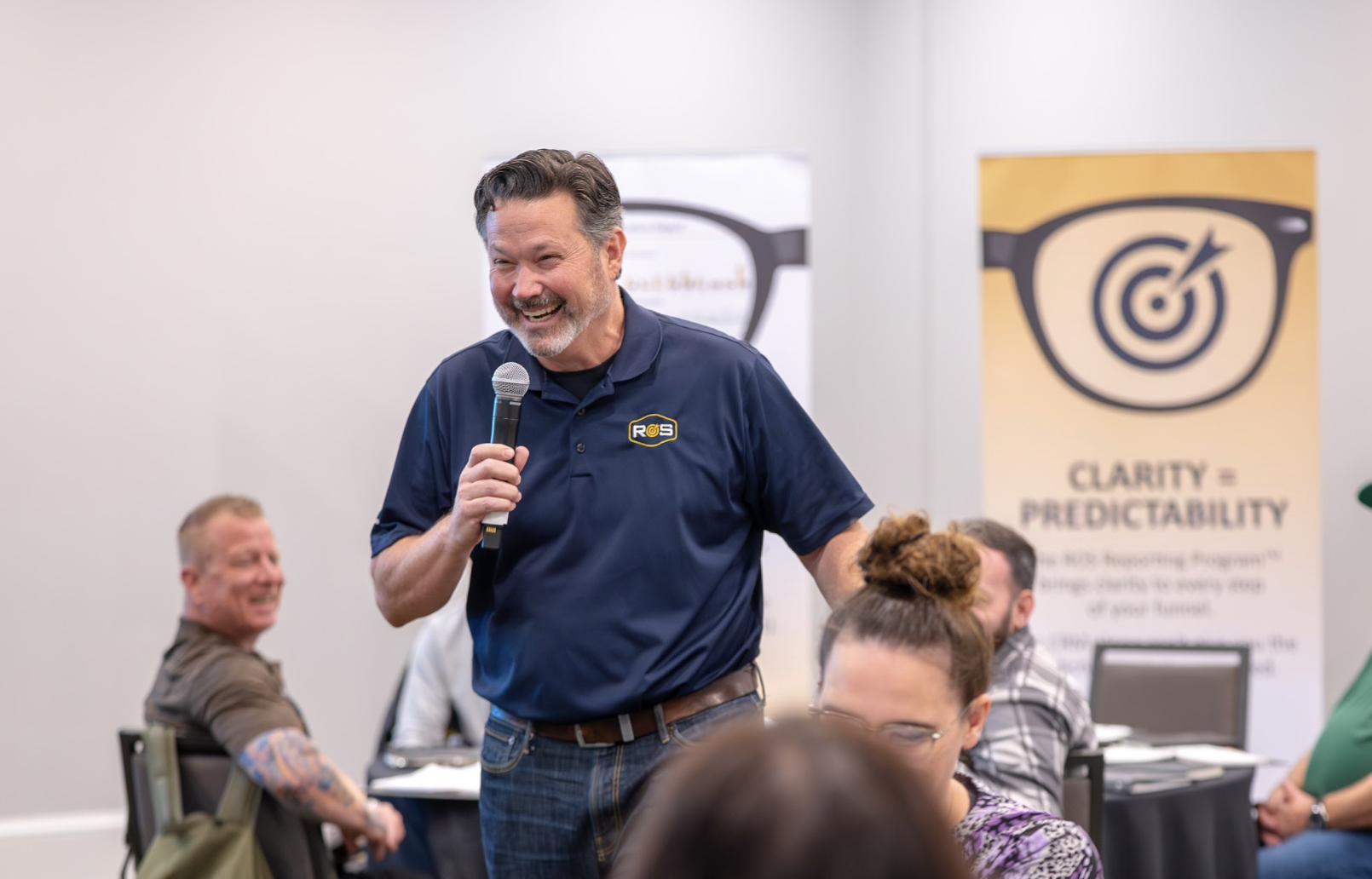
This is a guest blog post by Art Coley, CEO of ROS®.
If you’re waiting until January to start thinking about your 2027 franchise recruitment goals, I’ve got some bad news for you: you’re late.
If your average lead-to-signing cycle is 120 days, the candidates entering your pipeline today are potentially your Q1 2027 signings. If your cycle is closer to the franchise industry average of 200-plus days, your 2027 recruitment season started months ago.
That’s why annual planning can’t simply be, “We want to sign 40 new units next year.” That’s the goal. It’s not a plan. A real recruitment plan connects where the brand wants to go with the math, people, budget, behaviors, and pipeline activity required to get there.
Start With Where The Brand Is Going
Before I start looking at leads, conversion rates, or marketing budgets, I put on my CEO hat and ask a bigger question: where are we trying to be three to five years from now?
How many units do we want? What does the franchisee base need to look like? Have our unit economics changed? Has technology changed the model? Are we looking for a different type of franchisee than we were three years ago?
Those questions matter because the franchisees you recruit in 2027 will help shape your brand three, five, seven, even ten years from now. Are you fishing in the right ponds? Does your recruitment messaging match the type of franchisee your brand actually needs to win long term?
At the end of the day, franchising is about successful small business owners, and not everyone is the right fit for every system. Your planning should start by getting clear about where the brand is going and who you need on the team to help you get there.
Turn The Goal Into Math
One of the most common things we see in our work at ROS® is a development leader being told, “Go get 40 deals next year.”
Okay. How?
Too often, the next step is something like this: the industry converts leads to signings at X percent, so we need Y number of leads. We spend the money and hope enough of them turn into 40 deals.
That’s not enough. You need to work backward from the goal.
If the goal is 40 units, how many individual franchisees need to sign? How many candidates need to attend Discovery Day? How many need to complete your candidate questionnaire or application? How many initial calls need to happen? And finally, how many leads do you need to create those conversations?
Now you have something you can manage. Instead of one annual number, you have weekly and monthly targets throughout the recruitment process. That’s where the plan starts becoming real.
Measure What Happens Between Lead And Signing
Most franchise teams know how many leads they generated and how many deals they signed. The problem is everything in between.
If you only measure leads and signings, you’re managing lagging indicators. By the time you realize something isn’t working, months may have passed. The better question is: what is happening between each stage of your recruitment process?
How many leads become initial conversations? How many of those candidates complete the next step? How many advance to Discovery Day? How many Discovery Day candidates ultimately sign?
You may use different stages or terminology in your system, and that’s fine. The important part is measuring the movement. Once you understand those conversion points, you can see much earlier where the pipeline is breaking down and where you have an opportunity to improve.
You can’t fix what you can’t see.
Stop Assuming More Leads Are The Answer
When franchise recruitment falls behind, one of the first reactions is usually: we need more leads.
Maybe.
But before you spend another dollar, look at what’s already happening inside your pipeline.
Take a hypothetical brand converting 15% of its leads into initial calls. At that conversion rate, the brand may need roughly 2,600 leads to support its annual goal. Improve that conversion from 15% to 25%, and the required lead volume drops to roughly 1,600. Same signing goal. A thousand fewer leads required.
You can also take that in the other direction. Keep the original lead generation investment, improve the conversion rate, and now that same budget may be capable of producing more signings.
That’s why I’m cautious when the first solution is always “more leads.” Sometimes you have a lead problem. Sometimes you have a conversion problem. Sometimes you have a people, process, training, messaging, or follow-up problem.
The data should tell you which one.
Give Every Recruiter Their Own Plan
There’s another part of annual planning that I don’t see enough franchise brands doing: building an individual recruitment plan for every recruiter.
Think about it this way. Every recruiter should look at their role like they’re running a business. You’re handing that person one of the most valuable resources your company has: conversations with prospective franchisees.
If one recruiter signs one franchisee for every 20 initial calls and another signs one for every 10, those two people are producing very different returns from the same opportunity. That doesn’t automatically mean you need different people. It means you need visibility.
Where does each recruiter perform well? Where are they losing candidates? What skills or behaviors need to improve? What training or coaching would create the biggest impact?
Give recruiters ownership of their numbers and their plan, then help them sharpen their craft. Professional franchise recruitment should be treated like a profession.
Know You’re Off Track Before It’s Too Late
This may be the biggest reason to do all of this: forecasting.
Imagine your annual goal is 40 signings. At the end of Q1, you’ve signed 10. Twenty-five percent of the year is complete, and twenty-five percent of the goal is complete. Looks like you’re right on track.
Not necessarily.
When you understand the activity and conversion happening throughout the pipeline, you might discover that while you’ve signed 10 deals, the current pipeline is actually forecasting toward 17 for the year, not 40.
That is a very different conversation, and I would much rather have that conversation in February or March than September.
Good forecasting gives leadership time to act. You can adjust lead generation, improve conversion, coach the recruitment team, change resource allocation, address Discovery Day capacity, and prepare onboarding for additional franchisees.
Without that visibility, you’re bouncing from guardrail to guardrail.
What’s going to happen in the next 30 or 60 days is often already unfolding. But when you can accurately see six or twelve months ahead, you still have time to change the outcome.
That’s the point of planning. Not to predict the future perfectly, but to see what’s happening early enough to do something about it.
Art Coley is CEO of ROS®, the Recruitment Operating System®. With more than 30 years in franchising, Art works with franchise executives and development teams to bring greater clarity, accountability, and predictability to franchise recruitment. Through ROS®, he and his team help brands use data, analytics, training, and proven recruitment practices to build stronger franchise development systems.

KEEP LEARNING FROM FRANCHISE ASSEMBLY

